How to Pack Fragile Items for Posting in the UK
Seven simple steps to get glassware, ceramics and electronics through the post safely, from choosing the box to sealing and labelling it.

Glassware, ceramics, electronics and gifts can all break in the post if they aren't packed properly. Parcels get stacked, dropped and sent through automated sorting machines, so a "fragile" sticker on its own isn't enough. Follow these steps to give fragile items the best chance of arriving in one piece.
What you'll need
- A sturdy cardboard box, ideally new or in good condition. Use double-wall for heavier items.
- Bubble wrap to cushion each item
- Void fill, such as extra bubble wrap, packing paper or loose fill
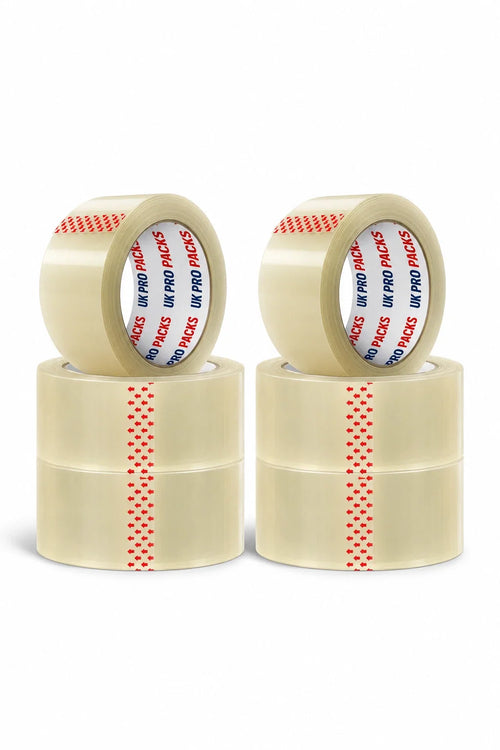
- Strong clear packing tape (48mm x 66m)
- Fragile tape to warn handlers
Step 1: Choose the right box
Use a box that leaves about 5cm of space on every side once the item is wrapped. That gap is filled with cushioning. A box that's too small leaves no room for protection. One that's too big lets the item move about. Avoid reusing boxes that are soft, damp or crushed, because they lose most of their strength.
Step 2: Wrap each item in bubble wrap
- Wrap each item separately, with the bubbles facing inwards towards the item.
- Use at least two layers, and more for very delicate items such as glass or china.
- Pay extra attention to corners, edges, handles and spouts. These are the weak points.
- Tape the bubble wrap closed so it can't unravel in transit.
Which width? 300mm bubble wrap is easy to handle for smaller items such as mugs, glasses and phones. 500mm suits larger items such as vases, picture frames and kitchen appliances, and is quicker for wrapping lots of items.
Step 3: Cushion the bottom of the box
Put a layer of cushioning in the bottom of the box before the item goes in. Scrunched bubble wrap or packing paper works well. This absorbs the shock if the parcel is dropped.
Step 4: Fill every gap
Place the wrapped item in the centre of the box, then fill all the space around and on top of it. Nothing should be able to move. Close the box and give it a gentle shake. If you can feel or hear anything moving, add more fill.
If you're sending several items in one box, wrap them separately and keep them apart with cushioning so they don't knock into each other.
Step 5: Seal the box with the H-tape method
Tape along the centre seam, then across both edge seams on the top, so the tape makes an "H" shape. Do the same on the bottom of the box. Strong 48mm parcel tape gives a secure seal that won't lift in transit.
Step 6: Mark it as fragile
Run printed FRAGILE tape around the box. It seals and warns in one step, and it can be seen from any angle, unlike a single label. Handlers may take more care, but good internal packing is still what protects the item.
Step 7: Label and send
- Put the address label on the largest flat surface. Remove or cover any old labels and barcodes.
- Weigh and measure the finished parcel so you buy the right postage.
- For valuable items, consider a tracked service with compensation cover. Check your courier's rules on what they will and won't cover for fragile goods.
Common mistakes to avoid
- Wrapping several items together in one bundle
- Leaving empty space in the box
- Using thin sticky tape or masking tape to seal the box
- Posting fragile items in a mailing bag. Mailing bags are great for clothing and soft goods, but they don't protect against impact.
Get your packing supplies
We stock bubble wrap rolls in 300mm and 500mm widths, 50m and 100m long, plus fragile tape and clear packing tape in multi-roll packs. Orders placed before 2pm on weekdays are dispatched the same day, and UK delivery is free on every order, with no minimum spend.